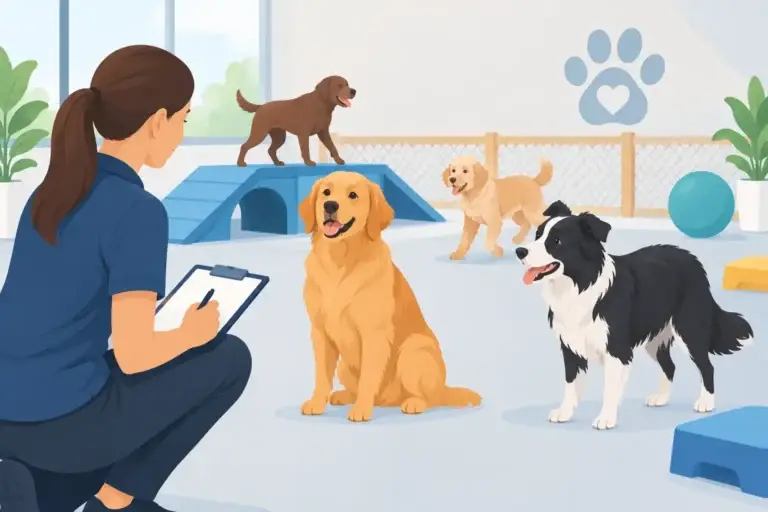

The parking lot can tell you a lot about a dog’s morning. Some dogs pull happily toward the door. Others pause, scan the room, or cling to a familiar leg. Learning how to manage daycare dropoff is less about making every goodbye perfectly cheerful and more about giving your dog a routine they can understand. A calm, predictable handoff helps your dog settle faster and helps the daycare team start the day safely.
For busy Kansas City area households, the goal is simple: get your dog checked in, get yourself where you need to go, and leave your dog with the confidence that this is a normal part of the day.
Start a Daycare Dropoff Routine at Home
A successful dropoff usually begins before you leave the driveway. Dogs notice patterns. When the morning includes the same general sequence – breakfast, potty break, car ride, check-in, goodbye – they learn what comes next. That predictability can lower excitement for dogs who arrive overly wound up and reduce worry for dogs who need a little more time to adjust.
Give your dog a chance to relieve themselves before the drive, especially if your commute is longer. Keep breakfast timing consistent as well. Some dogs do best with a meal well before activity; others have feeding plans based on their age, health needs, or daycare schedule. If your dog is prone to an upset stomach, ask the daycare team what timing they recommend rather than making a sudden change on a busy morning.
The car ride matters, too. If possible, keep it calm. A safe crate, seat restraint, or secured travel setup prevents a frantic arrival and gives your dog a clear transition from home to daycare. Save high-energy play for later. The goal is to arrive ready to check in, not already at full speed.
Keep the Goodbye Short and Clear
Many owners understandably try to reassure a hesitant dog with extra hugs, repeated goodbyes, or a long explanation. Usually, that has the opposite effect. Dogs take their cues from us. If you seem uncertain about leaving, they may decide there is something to worry about.
Use a friendly, familiar phrase, hand over the leash when directed, and leave without circling back. A simple “See you later” is enough. This is not cold or uncaring. It gives your dog a clear message: you trust the people caring for them, and you expect to return.
The right handoff may look different for every dog. A social dog might be ready to walk right in. A new or sensitive dog may benefit from a quieter entry, a staff member greeting them by name, or a few minutes to settle before joining the group. Share what you know about your dog’s behavior, but let the trained team guide the transition.
Avoid Turning Departure Into a Negotiation
If your dog plants their feet, do not drag them through the door or offer a stream of treats and pleading. Pause, stay relaxed, and allow staff to help. Some hesitation is common in a new environment, after time away, or during a change in routine.
What matters is the pattern over time. If your dog repeatedly appears distressed, refuses to enter, or has trouble recovering after you leave, talk with the daycare provider. There may be a better arrival time, a different entry routine, or a need to reassess whether group daycare is the right fit on that day.
Pack Only What Your Dog Needs
A quick check before leaving prevents a stressful call later. Have required paperwork, vaccination information, medications, feeding instructions, and any reservation details handled before arrival whenever possible. Daycares need accurate information to keep every dog in their care safe.
If your dog needs lunch, medication, or a special item, label everything clearly with their name and instructions. Be specific about quantities and timing. “One scoop at lunch” can mean different things in different kitchens; a measured portion is much more helpful. Do not assume a favorite toy, blanket, or treat should come along unless the facility permits personal items. In a group setting, belongings can be misplaced, chewed, or become a source of conflict between dogs.
It also helps to keep an emergency contact current. A daycare needs to be able to reach you if your dog becomes ill, has an injury, or needs to be picked up early. If you will be in meetings or traveling between job sites, include a backup person who can respond quickly.
Give the Team Useful Information at Check-In
The most helpful dropoff notes are brief and specific. Tell the team about anything unusual since the last visit: a skipped meal, loose stool, a new limp, a recent medication change, poor sleep, or a stressful event at home. Small details can help staff decide whether your dog is ready for normal play or should have a quieter day.
Behavior information matters just as much. Mention if your dog has become uneasy around a certain type of dog, is wearing a recovery cone, has recently had grooming that left them tender, or seems more tired than usual. This is not about labeling your dog as difficult. It gives caregivers the context they need to supervise thoughtfully.
At the same time, avoid holding up the line with a long recap every morning. If there is an ongoing concern, contact the daycare ahead of time or ask when a staff member has time for a more detailed conversation. A short, clear check-in keeps the morning moving for everyone.
Plan for the First Few Visits
The first week of daycare can be tiring, even for a dog that loves other dogs. New smells, unfamiliar people, social cues, and activity require mental energy. Some dogs come home and sleep hard. Others seem extra thirsty, hungry, or a little quieter than normal after a full day of play.
Start with the schedule your provider recommends. More daycare is not always better at first. A younger, high-energy dog may enjoy frequent attendance, while an older dog or a dog still building social confidence may do better with shorter or less frequent visits. The best schedule depends on your dog’s health, temperament, play style, and ability to rest around other dogs.
Watch how your dog behaves at home as well as at the door. Good signs include relaxed body language, normal eating and sleeping, and a willingness to return. A dog does not have to burst through the door every time to be doing well. Some dogs are simply more reserved. The key is whether they are able to settle, engage appropriately, and recover after the day.
Make Busy Mornings Easier
Morning dropoff gets harder when it is squeezed between school runs, work calls, and a search for the dog’s leash. Prepare the night before. Set out your dog’s food or medication, confirm your reservation, and place needed items by the door. If another family member may handle dropoff, make sure they know the routine and any instructions for that day.
Build in a little extra time during the first few visits, after holidays, or when weather affects traffic. Rushing can make both you and your dog more anxious. If your schedule changes and you need different care arrangements, contact the facility as early as possible. Reservation-based care works best when the team can plan for the dogs arriving that day.
At LifeTime Pet, families can coordinate dependable dog care with the everyday supplies they already need, which can make one part of a busy week a little more manageable. Still, it is wise to separate errands from the handoff when your dog is new to daycare or easily overstimulated. Let the first priority be a calm arrival.
When Dropoff Anxiety Needs More Attention
A rough morning once in a while is normal. Dogs can have off days just like people do. But ongoing signs of distress deserve a closer look. These can include trembling before every visit, repeated attempts to escape, refusing food for an extended period, panic that does not lessen after separation, or aggressive behavior that is out of character.
Rule out health concerns with your veterinarian when behavior changes suddenly. Then work with the daycare provider on a plan. That might include arriving at a quieter time, doing brief practice visits, adjusting attendance frequency, or choosing a different care arrangement. The best outcome is not forcing daycare to work. It is finding care that supports your dog’s well-being.
A calm goodbye, a prepared bag, and honest communication do more than speed up the morning. They teach your dog that being cared for by trusted people is a safe, familiar part of life – and that you will be back when the day is done.