A growing puppy can seem hungry all the time, especially after a busy morning of play, daycare, or learning the household routine. That appetite is not just a personality trait. Puppy food versus adult food matters because young dogs need nutrition designed to support rapid growth, developing bones, changing teeth, and high daily energy needs.
The right choice is less about buying the bag labeled for a certain age and more about matching food to your dog’s size, growth stage, health, and lifestyle. For most families, puppy food is the right starting point. The question is knowing what makes it different and when your dog is truly ready to move on.
Puppy Food Versus Adult Food: The Main Difference
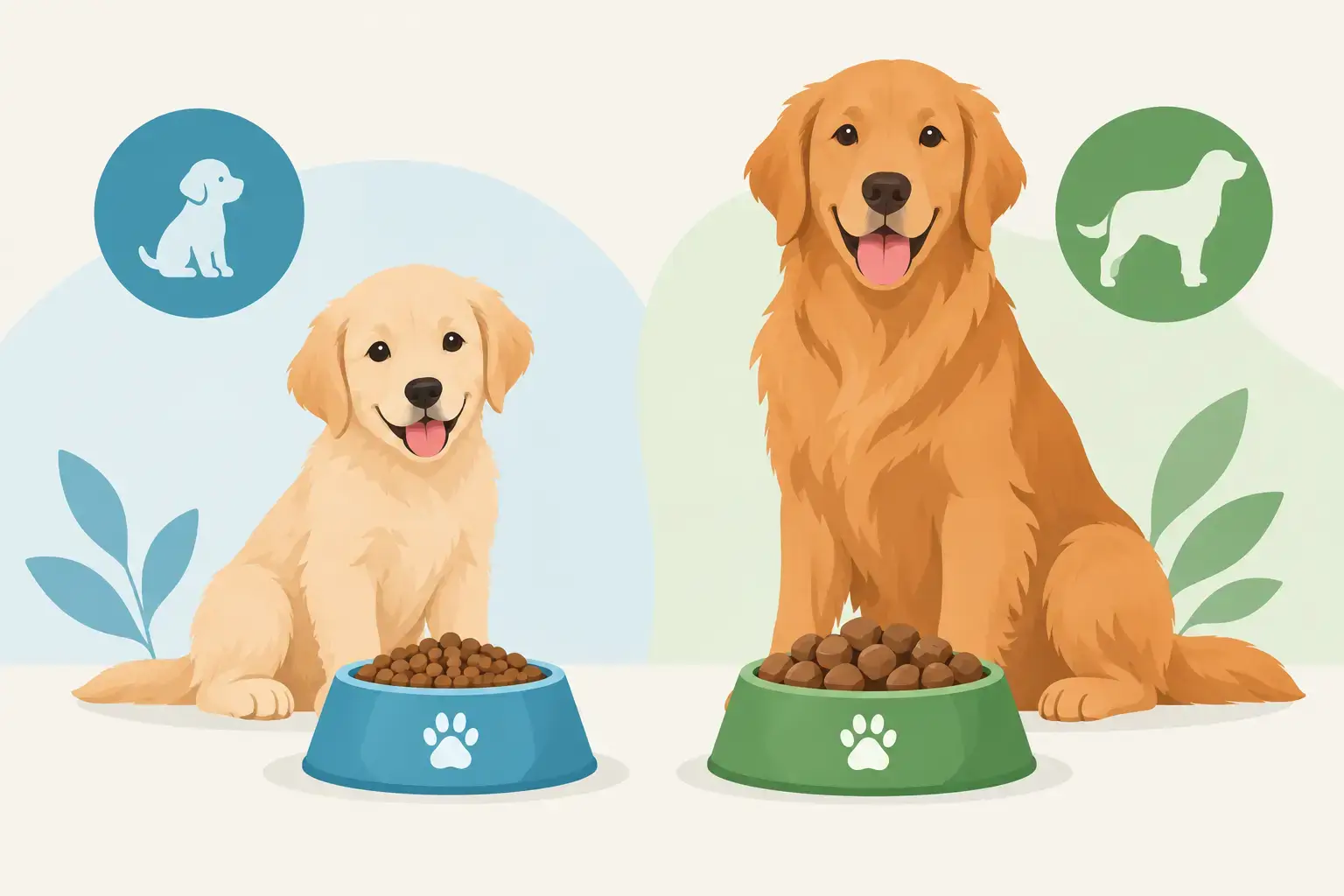
Puppy formulas are made for growth. They are generally more calorie-dense than adult maintenance foods, with higher levels of protein and fat to provide fuel and support developing muscles and tissues. They also include carefully balanced vitamins and minerals, particularly calcium and phosphorus, which play a role in healthy bone development.
Adult dog food is formulated for maintenance. Once a dog has finished most of its physical growth, it usually does not need the same concentrated calorie level. Feeding a mature dog a rich puppy formula long term can make it easier for that dog to gain unwanted weight, especially if activity decreases after puppyhood.
That does not mean adult food is lower quality. It serves a different purpose. A good adult formula helps maintain a healthy body condition, steady energy, and regular digestion without supplying more growth-focused nutrition than an adult dog needs.
Why Growing Dogs Need a Different Formula
Puppies do a remarkable amount of growing in a short time. Their bodies are building muscle, bone, organs, immune function, and a full adult coat while they learn, play, and burn energy. Small-breed puppies may reach maturity quickly, while large and giant breeds may keep growing for well over a year.
Calories matter, but balance matters just as much. Too little food can leave a puppy short on energy and nutrients. Too much food, or a formula that is not appropriate for the puppy’s expected adult size, can contribute to overly fast growth. That is a particular concern for large-breed puppies, whose joints and skeletal structure develop over a longer period.
Large-Breed Puppies Need Extra Attention
If your puppy is expected to weigh more than about 70 pounds as an adult, look for a food labeled specifically for large-breed puppy growth or growth including large-size dogs. These foods are designed with controlled mineral and calorie levels to help support a steadier growth rate.
Bigger puppies are not simply small dogs that need more scoops in the bowl. Their nutritional needs are different enough that choosing the correct formula is worth a closer look. If you are unsure about your puppy’s expected size, your veterinarian can help based on breed, parent size, and growth pattern.
How Long Should a Dog Eat Puppy Food?
There is no single birthday when every dog should switch. Breed size is the best general guide. Many small breeds are ready for adult food around 9 to 12 months. Medium-sized dogs often transition around 12 months. Large breeds may stay on a growth formula until 12 to 18 months, and some giant breeds may need it even longer.
Your veterinarian’s recommendation should take priority over a general timeline. A puppy that is underweight, growing unusually quickly, recovering from illness, or managing a health condition may need a more individualized feeding plan.
A dog’s appearance and body condition are useful clues, too. You should be able to feel the ribs with light pressure but not see sharply defined ribs in a healthy, average-coated dog. From above, most dogs should have a visible waist. Puppies can look a little round during normal growth stages, but persistent excess weight is a reason to review portions and food choices.
How to Switch From Puppy Food to Adult Food
A gradual transition is easier on the digestive system than changing food overnight. Even a high-quality food can cause loose stool or stomach upset if it is introduced too quickly.
Start by mixing a small amount of the new adult food into the current puppy food. Over seven to 10 days, slowly increase the adult food and decrease the puppy food. If your dog develops vomiting, diarrhea, unusual gas, or a noticeable loss of appetite, slow the transition and contact your veterinarian if symptoms continue.
Keep treats in mind during this period. Training rewards, table scraps, chews, and dental treats all add calories. A young dog who is getting several treats during daycare training or family practice sessions may need smaller meal portions than the feeding chart suggests. The chart on the bag is a starting point, not a rule that fits every dog.
Choosing a Food That Fits Your Dog
The best food is one your dog can digest well, enjoys eating, and can maintain a healthy body condition on. Look for a complete and balanced statement for the appropriate life stage. For puppies, that means a formula intended for growth. For adults, choose one intended for adult maintenance unless your veterinarian recommends another option.
Protein sources, grain-free labels, and ingredient lists can be useful considerations, but they should not distract from the bigger picture. A food with an appealing first ingredient is not automatically the right fit if it causes digestive trouble, does not match your dog’s life stage, or leads to unhealthy weight gain.
Consider your dog’s daily routine as well. A young, active puppy may need the higher energy content of its growth formula. A recently spayed or neutered young adult may need closer portion control as metabolism and activity change. Dogs that attend daycare, take long walks, or spend weekends hiking may have different calorie needs than dogs with quieter schedules.
If your dog has itchy skin, recurrent ear issues, sensitive digestion, or a diagnosed medical condition, avoid making repeated food changes on your own. These signs do not always point to a food allergy, and frequent switching can make it harder to identify what is going on. A veterinarian can help you decide whether a different formula, a prescription diet, or another approach makes sense.
Common Feeding Mistakes to Avoid
One common mistake is moving a puppy to adult food too early because the puppy looks nearly full-sized. Growth can continue after the dog reaches much of its height, particularly in larger breeds. Another is keeping a dog on puppy food long after maturity simply because the dog loves it. The extra calories can add up quickly.
Portioning by guesswork is another trouble spot. Use a measuring cup, adjust based on body condition, and check your dog’s weight regularly. Food requirements can change with age, season, exercise, and household routine. A dog who was highly active during summer walks may need a little less food during a quieter winter.
Finally, do not assume one food works equally well for every dog in the home. A growing puppy and a mature adult often need different formulas and portions, even if they are the same breed. Separate feeding areas can help prevent bowl swapping and make it easier to notice changes in appetite.
When to Ask for Help
Call your veterinarian if your puppy is not gaining appropriately, seems tired despite eating well, has ongoing digestive issues, or develops limping or trouble getting up. Those concerns deserve more than a food change. Bring the food bag or a photo of its label to the appointment so the veterinary team can review the exact formula and feeding directions.
For Kansas City families balancing work, school, and dog care, keeping the right food on hand makes routines easier. LifeTime Pet can help you compare age-appropriate options when you are shopping for everyday supplies, but your veterinarian remains the best source for medical and growth-specific guidance.
Your dog will not stay a puppy for long, but feeding for the stage they are in can support the years ahead. Check the life-stage label, measure meals consistently, and let your dog’s growth, body condition, and veterinary advice guide the next bag you bring home.