Congratulations on your new puppy! Those first weeks are busy, a little messy, and full of firsts. Puppies need more supervision and structure than adult dogs, but the effort you put in now builds the foundation for a happy, well-mannered adult dog. Here is where to focus.
Puppy-proof your home
Puppies explore with their mouths and can find trouble fast. Before your puppy arrives, get down to their level and look for hazards: loose electrical cords, houseplants, small objects they could swallow, and anything valuable within reach. Use baby gates to limit access and keep your puppy in safe, easy-to-clean areas at first.
Start potty training on day one
Consistency is everything. Take your puppy outside first thing in the morning, after meals, after naps, after play, and right before bed. Very young puppies may need a break every couple of hours. Pick one potty spot, use the same cue word, and reward with praise or a treat the moment they finish. Accidents will happen; clean them thoroughly and never punish, which only teaches your puppy to hide.
Use a crate as a safe den
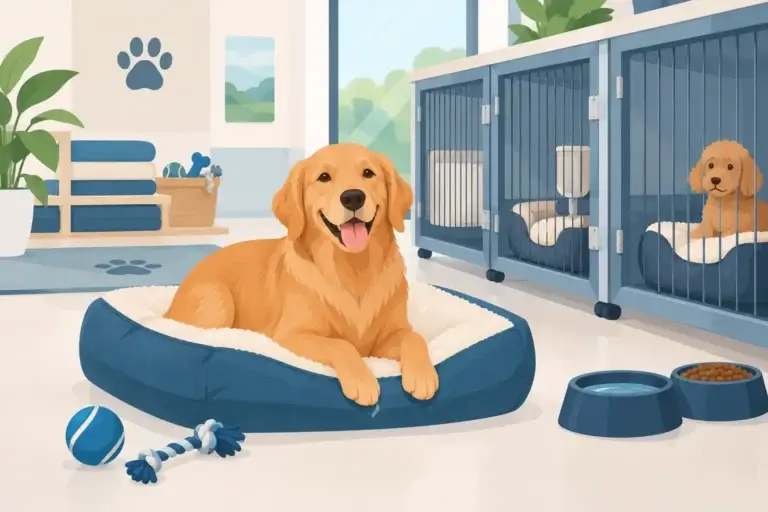
A properly sized crate helps with both potty training and giving your puppy a secure place to rest. Make it cozy, feed meals nearby, and never use it for punishment. Start with short stretches and build up so your puppy learns that being alone is calm and okay.
Make the most of the socialization window
The period up to about 16 weeks of age is a critical window for socialization. Gently expose your puppy to a wide variety of sights, sounds, surfaces, people, and healthy, vaccinated dogs during this time. Positive early experiences help prevent fear and reactivity later in life. Keep it upbeat and never overwhelming.
Stay on top of the vet schedule
Puppies need a series of vaccinations, usually every three to four weeks until around 16 weeks, plus deworming and a plan for parasite prevention. Your veterinarian will also talk with you about spaying or neutering. Keep every appointment, because this early care protects your puppy while their immune system is still developing.
Feed for healthy growth
Puppies need food formulated specifically for their stage of life, and large-breed puppies have their own special requirements. Feed measured meals several times a day rather than leaving food out all the time. If you would like help choosing a quality puppy food, stop in and our team will point you in the right direction.
Handle teething and chewing
Chewing is normal, especially during teething. Redirect your puppy from shoes and furniture to appropriate chew toys, and rotate toys to keep things interesting. Teaching a gentle trade with a treat is a great way to reclaim items without a struggle.
Keep training short and positive
Puppies have short attention spans, so keep sessions to just a few minutes and make them fun. Reward good choices, be patient, and celebrate small progress. Once your puppy is fully vaccinated and ready, supervised daycare can be a wonderful outlet for energy and social skills, and our meet-and-greet interview helps us set every new pup up for success.