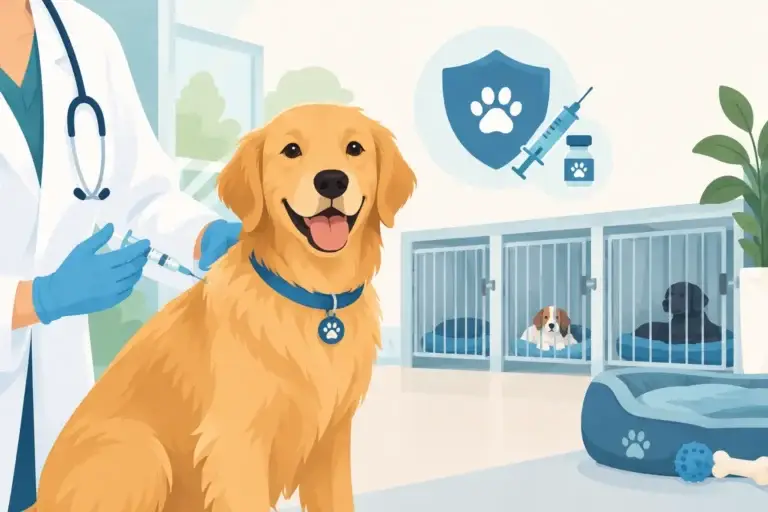

A trip on the calendar often brings one big question for dog owners: who will care for the dog while the house is quiet? Good pet boarding gives your dog a supervised place to eat, rest, play, and follow a dependable routine while you are away. The right fit is not about finding the fanciest setup. It is about choosing care that matches your dog’s personality, health needs, and comfort level.
For families across Olathe and the Kansas City metro, planning ahead makes boarding less stressful for everyone. A little preparation helps the care team get to know your dog and helps your dog settle in more comfortably.
What Good Pet Boarding Should Provide
A boarding stay should start with clear expectations. Ask how dogs are supervised, where they sleep, how meals are handled, and what happens if a dog becomes ill or anxious. A dependable facility should be comfortable explaining its routines in plain language.
Dogs do best when their day has structure. That means regular feeding times, clean water, opportunities for bathroom breaks, rest periods, and appropriate activity. Some dogs enjoy group play and social time. Others are happiest with quieter handling and more individual space. Neither preference is wrong. The important part is that the staff understands the difference.
Safety matters just as much as activity. Before reserving a stay, ask about vaccination requirements, staff supervision, cleaning practices, and procedures for contacting an owner or veterinarian when needed. These questions are not overprotective. They are part of responsible planning.
A local, established provider can also make a difference when you need practical support before or after a trip. LifeTime Pet serves dog owners who want boarding and everyday pet supplies from one familiar, family-owned business. That continuity can be especially useful when your dog already knows the location or when you need to pick up food and essentials before you leave town.
Choose Boarding Based on Your Dog, Not Just Your Schedule
Every dog responds differently to a new environment. A young, social dog may be eager for supervised play and stimulation. An older dog may need a quieter space, slower transitions, or special attention around medications and mobility. Dogs that are shy, reactive, or new to boarding may need an introduction process before an overnight stay.
Be honest about your dog’s habits. Let the boarding team know whether your dog is nervous around other dogs, protective of food or toys, sensitive to noise, prone to stomach upset, or used to sleeping with a particular blanket. Small details can help staff provide better care.
It also helps to consider the length of the stay. A single overnight visit may be manageable for a dog who is generally adaptable. A week-long trip calls for more planning, especially if your dog takes medication or has dietary restrictions. If your travel dates are flexible, avoid waiting until the last minute during busy holiday and school-break periods. Reservations give the facility time to confirm requirements and give you time to prepare properly.
Daycare Can Be a Helpful First Step
If your dog has never stayed away from home, a daycare visit can be a useful introduction. It allows your dog to experience the setting, meet staff, and practice being away from you for a few hours before an overnight stay. You also get a chance to see how your dog responds afterward.
This is not necessary for every dog, but it can be a smart choice for puppies, newly adopted dogs, and dogs that are unsure in new places. A short visit may reveal that your dog settles quickly, or it may show that a different care arrangement would be more comfortable. It is better to learn that before the day you leave.
What to Pack for a Boarding Stay
Packing for pet boarding is simpler when you focus on consistency. Your dog does not need an entire suitcase, but familiar food and clear instructions can prevent avoidable problems. Send only items the facility requests and label everything with your name and your dog’s name.
For most stays, bring your dog’s regular food in enough portions for the full visit, plus a little extra in case travel plans change. Sudden food changes can upset a dog’s stomach, particularly when they are already adjusting to a different routine. Include written feeding directions, even if they seem straightforward.
Medications should remain in their original containers with clear dosing instructions. Tell staff when the medication is normally given and whether your dog takes it easily with food. If your dog has allergies, a sensitive stomach, or a past medical concern, provide that information before check-in rather than relying on a quick conversation at the counter.
A familiar blanket or approved comfort item may help some dogs settle, while other dogs are more likely to chew or guard personal belongings. Ask the facility what is appropriate to bring. Keep it simple, especially if your dog tends to destroy toys or become possessive around them.
Do not forget the paperwork. Boarding facilities commonly require current vaccination records and emergency contact information. Confirm those requirements early. A missing document can create a stressful delay on departure day.
Make Drop-Off Easier on Your Dog
The way you leave matters. Dogs often read our energy more closely than our words. Keep drop-off calm and matter-of-fact rather than stretching out the goodbye. A cheerful, confident handoff tells your dog that this is a normal and safe part of the day.
Before arriving, give your dog a chance to use the bathroom and get some light activity. Avoid introducing a brand-new treat, supplement, or food immediately before boarding. Familiar routines are usually best.
Share your reachable phone number, travel itinerary if relevant, and a local emergency contact. If you are crossing time zones or will have limited service, say so. Clear communication makes it easier for staff to reach the right person if a question comes up.
It is also wise to ask what check-in and pick-up times look like. A rushed handoff can make any departure harder. Knowing the process ahead of time lets you arrive prepared and gives staff the information they need without holding up the rest of your travel day.
Questions Worth Asking Before You Reserve
The best boarding decision comes from practical questions, not guesswork. Before booking, ask how the facility handles feeding, medication, exercise, rest, dog-to-dog interactions, and communication with owners. Find out whether an evaluation, interview, or daycare trial is needed before a first stay.
Ask specifically what happens if your dog seems stressed. Some dogs need extra reassurance and quiet time; others settle better with gentle activity. A thoughtful answer should show that the team pays attention to individual behavior rather than treating every dog the same.
You should also understand the pickup policy. Travel delays happen, whether you are driving back to Kansas City or waiting on a late flight. Knowing the options in advance can save you from making decisions under pressure.
Price is naturally part of the decision, but it should not be the only factor. The lowest rate is not always the best value if it leaves you uncertain about supervision, health procedures, or your dog’s daily routine. Look for clear policies, responsive communication, and a team that takes time to understand your pet.
Help Your Dog Settle Back In at Home
Many dogs come home happy and tired after boarding. Others may be extra clingy, sleepy, thirsty, or ready for a quiet evening. Give your dog time to decompress. Return to normal meal times, walks, and sleeping routines without expecting everything to feel exactly the same within the first hour.
Watch for anything unusual that lasts beyond a brief adjustment period, such as ongoing digestive upset, lethargy, coughing, or refusal to eat. When in doubt, contact your veterinarian. It is also helpful to provide feedback to the boarding team, especially if something made your dog more comfortable or if you noticed a concern after the stay.
A good boarding relationship gets easier over time. Once your dog knows the people, routine, and environment, future trips can feel far less disruptive. Reserve early, share the details that matter, and give your dog the chance to become familiar with care before your next time away.